Common problems with Enfield rubbish collection delays
Posted on 24/08/2026

If you have ever left bins out on the right day, heard the lorry go past, and then found your rubbish still sitting there the next morning, you already know how frustrating rubbish collection delays can be. In Enfield, those delays can turn into more than an inconvenience: they can affect hygiene, block shared spaces, create complaints from neighbours, and throw off everything from home moves to business operations. This guide looks closely at the common problems with Enfield rubbish collection delays, why they happen, and what you can do when the collection doesn't arrive on time.
We will keep this practical and local. You will get the most common causes, the knock-on effects, a clear step-by-step response plan, and a realistic checklist for avoiding the same headache again. No fluff. Just the kind of advice that helps you sort the issue out without wasting a whole afternoon staring at the pavement. Well, you may still glance out the window once or twice. That's normal.
Why Common problems with Enfield rubbish collection delays Matters
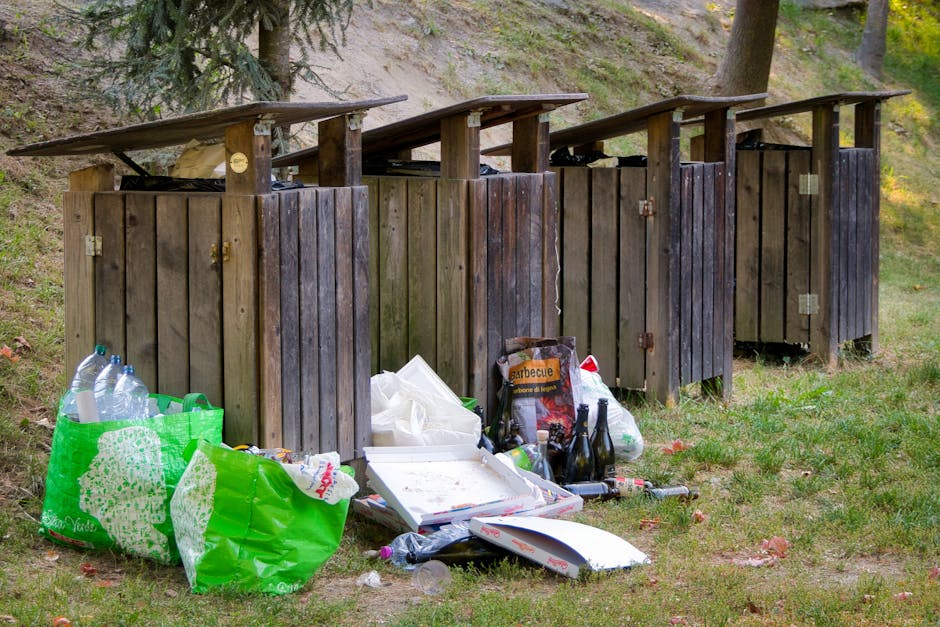
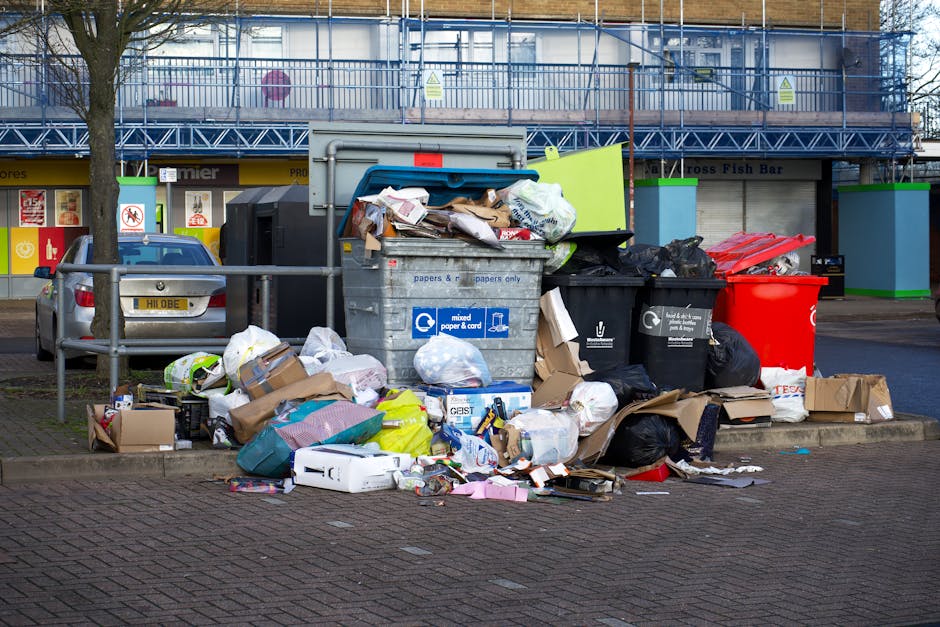
Delays are not just a scheduling issue. They change how a property feels and functions. A missed collection can mean full black bags in a hallway, food waste attracting flies, bulky waste taking over a shared yard, or commercial bins overflowing behind a shop. In a dense area like Enfield, the effect multiplies fast because the waste doesn't sit in isolation. It sits near people, entrances, parking bays, communal walkways, and loading areas.
For households, the biggest issue is usually nuisance and smell. For landlords and managing agents, it can become a complaint management problem. For businesses, the risk is more operational: a delayed removal can affect opening standards, customer perception, and even safety if waste starts obstructing access routes. If you are planning a move or a clearance, a late collection can also derail a tight timeline. Anyone who has lived through a property sale week knows how annoying that can be.
There is also a trust factor. When rubbish collection is unreliable, people start to assume the worst: that the wrong item was left out, that the provider forgot, or that the service is inconsistent. Sometimes that is not true at all. A lot of delays are caused by route disruption, access problems, or overloaded schedules. Understanding the difference helps you respond more calmly and more effectively.
One useful thing to remember is that delays rarely have a single cause. They are usually a chain of small issues: traffic, parking, wrong presentation of waste, a missed booking note, or a vehicle problem. The sooner you can identify which part of that chain broke, the sooner you can fix it.
How Common problems with Enfield rubbish collection delays Works
Most rubbish collection systems, whether council-run or private, depend on a simple sequence: booking or scheduling, waste presentation, vehicle access, collection, and disposal. When one link in that chain is weak, the whole thing slows down. In practice, delays usually show up in a few familiar ways.
Sometimes the collection is not truly "missed" but pushed back because the crew is running behind after earlier jobs took longer than expected. That happens a lot when there are bulky items, awkward access, parked cars, or extra waste beyond what was described. Other times, the issue is more administrative: the booking details are incomplete, the address is unclear, or the team arrives and cannot safely complete the pickup.
Access is a big one in Enfield. Narrow roads, busy side streets, shared entrances, permit-only parking, and flats with stair access can all create friction. If a truck cannot stop safely or the crew cannot reach the waste without blocking traffic, the collection may be delayed to protect safety and keep the route moving. To be fair, that can feel maddening when your bags are already out on the kerb, but the operational logic is usually straightforward.
Another common factor is waste separation. If mixed items are left together, or restricted materials are included in a load, the crew may need to reclassify the job or pause it for compliance reasons. That is especially relevant for commercial waste, builders waste, white goods, and furniture removal, where the wrong mix can create handling and disposal problems.
If you want a simple way to think about it, collection delays usually fall into three buckets: service-side delay, site-side delay, or booking-side delay. That framing helps you figure out where to look first.
Key Benefits and Practical Advantages
It may sound odd to talk about benefits when the topic is a delay, but there are real advantages to understanding the pattern behind it. Once you know what causes the problem, you can reduce repeat disruption and keep waste moving with less drama.
- Fewer missed collections: Better prep and clearer instructions reduce the chance of a wasted visit.
- Cleaner shared spaces: Waste is removed faster, so it does not pile up in hallways, gardens, yards, or loading bays.
- Less neighbour friction: Nobody enjoys a communal bin area that smells faintly of last week's leftovers.
- More predictable planning: This matters for house moves, landlord handovers, office clearances, and end-of-tenancy work.
- Lower risk of extra charges or repeat visits: If the team can access everything on the first attempt, you avoid avoidable add-ons.
- Better compliance and safety: Knowing what can and cannot be placed out helps you avoid issues with restricted waste or unsafe handling.
There is also a quieter benefit: peace of mind. Once you stop treating every delay as a mystery, you can deal with it in a more measured way. That alone makes the process feel less stressful. And let's face it, waste is one of those things that nobody thinks about until it becomes a problem in the most visible spot possible.
If your current issue is part of a wider clearance project, it can help to review the wider service context too, including the full service overview and the details of waste clearance in Enfield. Those pages can help you match the right service to the type of waste you actually have.
Who This Is For and When It Makes Sense
This topic matters to a surprisingly wide group of people. If you live in a flat, run a shop, manage rental property, coordinate a move, or oversee a building project, delays can hit you differently but just as hard.
Homeowners and renters
For households, delays often show up after a clear-out: old furniture on the landing, bagged rubbish waiting for removal, or garden waste that has started to dry out and spread. If you are already juggling family life, school runs, and the usual Tuesday mess, even a short delay can feel like too much.
Landlords and letting agents
For rentals, timing is everything. A late collection can interfere with check-in, cleaning, repairs, or redecoration. It can also create a poor first impression for incoming tenants. If you are working on a sale or preparing a property, you may also find the timing connects closely to selling property in Enfield and the need to present a clean, uncluttered space at the right moment.
Business owners and office managers
Commercial waste delays are usually less forgiving. Stockrooms, shopfronts, back alleys, and office corridors all have limited space. A delayed pickup can create health and safety concerns quickly, especially if cardboard, food packaging, white goods, or mixed rubbish has nowhere to go. For this reason, many businesses prefer a planned approach to commercial waste removal in Enfield rather than hoping an ad hoc pickup will arrive in time.
Builders and tradespeople
For building sites, waste delays can become a chain reaction. Skips or clearance piles fill up, work slows down, and the site starts to look untidy. If a job runs over schedule, even a short delay can mean the team has to work around waste rather than through it. The same applies to builders waste disposal in Enfield.
If you are still deciding whether the area and its services suit your routine, it may help to read some local perspective in is Enfield suitable for you: local opinions or the broader context in getting to know the Enfield borough. Those pieces are not about waste alone, but they help frame everyday local life.
Step-by-Step Guidance
If your collection is delayed, do not just wait and hope. A steady, methodical response usually works best. Here is a practical sequence you can follow.
- Check the booking details. Confirm the date, time window, address, access instructions, and what items were included.
- Look at the waste itself. Make sure it is presented in the right place and that nothing restricted, dangerous, or unsuitable has been mixed in.
- Check for access issues. Think parking, locked gates, residents' permits, loading restrictions, or a blocked communal route.
- Review the weather and local disruption. Heavy rain, icy mornings, roadworks, and event traffic can all push schedules around.
- Contact the provider promptly. The sooner you report the issue, the easier it is to reschedule, clarify, or correct a mistake.
- Keep photos if needed. If you need to show how the waste was presented or where it was placed, a quick photo can save time later.
- Agree the next action clearly. Ask whether the job will be reattempted, what needs to change, and when the revised collection is expected.
That sounds basic, but basic is often what works. The more clearly you can describe the issue, the quicker the solution tends to appear. A small note here can make a big difference: if the waste is being collected from a flat, specify whether it is ground floor, basement, or up stairs. Those details matter more than people think.
If you are dealing with specific household items, these pages can help you choose the right route: domestic waste collection in Enfield, furniture disposal in Enfield, white goods and appliance disposal in Enfield, and garden waste removal in Enfield. Matching the service to the waste type reduces confusion later.
Expert Tips for Better Results
In our experience, the people who have the fewest problems with rubbish collection delays are not lucky. They are just annoyingly organised. That's the truth of it.
Here are the habits that make the biggest difference:
- Book with a clear description of the waste. "A few bags" is not enough if you also have a sofa, two broken chairs, and a mattress.
- Leave access notes that a driver can actually use. Mention gate codes, rear access, parking restrictions, and where the waste will be staged.
- Separate waste by type. Furniture, appliances, garden waste, and builders waste should not be thrown together unless you have been told that is acceptable.
- Be realistic about collection windows. Traffic in London is unpredictable, and the best services still need room to move.
- Use photos for awkward jobs. It sounds simple, but a quick image often prevents misunderstandings.
- Keep a small buffer in your schedule. If you need waste gone before a cleaner, decorator, or new tenant arrives, do not leave it to the last possible hour.
One thing many people miss is that the cheapest option is not always the smoothest. A service may look fine on price, then struggle when faced with awkward access or mixed waste. If you are comparing options, use pricing and quotes to understand what is actually included, and read the guidance on avoiding hidden rubbish removal fees in Enfield before you book. That little bit of caution can save you a proper headache later.
Common Mistakes to Avoid
Most delays become worse because of avoidable mistakes. Not all of them are dramatic, either. Some are tiny things that snowball.
- Putting waste out too late or too early. If the collection crew arrives and cannot safely access the waste, the job may be deferred.
- Mixing prohibited items with normal waste. A single unsuitable item can affect the whole load.
- Assuming the crew knows the site layout. They do not. If access is odd, say so clearly.
- Ignoring parking restrictions. A vehicle that cannot stop legally or safely may not be able to complete the collection.
- Leaving heavy items unprepared. If furniture or appliances need to be moved from upstairs or dismantled, mention that in advance.
- Failing to keep proof of booking details. If there is a dispute, a record helps.
A very common one is this: people assume a collection delay automatically means the provider is at fault. Sometimes yes. Sometimes no. Sometimes the waste was not ready, or it was in the wrong place, or there was no safe stopping point. That distinction matters if you want a fair resolution.
For bulky items in residential settings, it is worth checking location-specific advice too, such as the Ponders End bulky rubbish removal guide or the Enfield Town rubbish collection guide. If your rubbish is in a communal block, one wrong assumption can slow everything down.
Tools, Resources and Recommendations
You do not need fancy software to manage rubbish delays, but a few simple tools help.
- Calendar reminders: Useful for booking dates, access windows, and follow-up calls.
- Phone photos: Handy for documenting waste type, access points, and the state of the area before collection.
- Basic site notes: A written note with gate codes, parking instructions, and item details saves endless back-and-forth.
- A checklist for waste type: Keep furniture, appliances, garden waste, and builders waste separate in your mind before the crew arrives.
- Provider information pages: Read the service details before booking so you know what's included and what may trigger a delay or extra charge.
If you are dealing with multiple clear-out types at once, it can help to start with the service pages that match the job: house clearance in Enfield, loft clearance in Enfield, and office clearance in Enfield. Different spaces create different access problems, and the right service choice reduces delay risk.
For anyone interested in how waste fits into a broader responsible disposal approach, recycling and sustainability is worth a look. Delays and recycling may seem unrelated at first glance, but in real life, poor sorting and poor timing often go together.
Law, Compliance, Standards, or Best Practice
Waste handling in the UK is not just a logistics issue. It has compliance and duty-of-care implications too. In plain English, that means waste should be collected, transported, and disposed of responsibly, with clear records where appropriate and with the right carrier arrangements in place.
For residents, the practical takeaway is simple: do not hand waste to an unknown operator, do not assume every collector is properly registered, and do not ignore the basics of safe presentation. For businesses, the standard is higher. You need to be more careful about what is removed, how it is documented, and whether the provider is suitable for the waste stream involved.
Best practice usually includes the following:
- clear identification of waste types before collection
- safe access for the collection team
- accurate booking details
- proper handling of bulky or heavy items
- reasonable care around recycling and segregation
- use of a compliant waste carrier where required
If you want reassurance about responsible handling, review the company's waste carrier licence and compliance information, and check the safety guidance in insurance and safety. For service terms, terms and conditions can help set expectations before any collection takes place. That is not glamorous reading, granted, but it can prevent arguments later.
If payment matters to your decision, it is sensible to review payment and security too. And for website preferences or browsing choices, the linked policy pages such as privacy policy, cookie policy, and accessibility statement are there for transparency.
If you are interested in how the organisation presents its wider responsibilities, there is also the about us page and the modern slavery statement. Those pages do not solve a missed bin collection, obviously, but they do tell you a bit about the standards behind the service.
Options, Methods, or Comparison Table
When you are trying to deal with delays, you usually have a few options. The best choice depends on urgency, waste type, access, and whether this is a one-off problem or a repeat issue.
| Approach | Best for | Strengths | Limitations |
|---|---|---|---|
| Wait for the next scheduled slot | Minor delays where waste is not urgent | No extra coordination, simplest option | Can leave waste in place longer than you want |
| Reschedule the collection | Missed bookings or access problems | Allows you to correct the issue and try again | May still be inconvenient if time is tight |
| Book a more specific removal service | Bulky items, mixed waste, or urgent clearances | Better fit for complex jobs and awkward access | Needs clearer planning and usually a more detailed quote |
| Split the waste into smaller loads | Large clear-outs or phased projects | Reduces pressure on a single collection window | Can take longer overall |
There is no one-size-fits-all answer. If your delay came from a simple access issue, rescheduling may be enough. If the job involves furniture, appliances, or mixed materials, a more targeted service may work better. For larger household jobs, you might find furniture removal in Enfield more suitable than a general pickup. For broader disposal needs, waste disposal in Enfield may be the more flexible route.
Case Study or Real-World Example
Here is a realistic scenario. A family in a first-floor flat in Enfield had booked a clearance for old furniture, several bin bags, and a broken appliance before a weekend move. The collection was delayed because the crew could not safely park at the original entrance due to a delivery vehicle blocking the bay. The waste was also staged in two places, which added confusion. Nothing dramatic. Just a chain of small issues.
After a quick call, the family rechecked the access notes, moved the items to one clear point, and arranged a new time window. The collection went through without trouble the second time. The difference was not magic. It was clarity. One clear pile. One clear entrance. One clear set of instructions.
That kind of situation is common in Enfield because homes, flats, and mixed-use streets often have tight access and busy kerbside conditions. If you are in a flat, especially, a guide like the Southbury Estate rubbish clearance tips can be useful because communal layouts bring their own quirks. Same goes for local bulky removal advice in Forty Hall rubbish recycling and disposal.
Expert summary: Most rubbish collection delays are solved by better preparation, clearer access, and tighter communication. If the waste is ready, the route is clear, and the booking details are accurate, the odds improve fast.
Practical Checklist
Use this checklist before collection day and again if you are chasing a delay.
- Have I confirmed the date, time window, and address?
- Have I described the waste accurately?
- Did I mention heavy, bulky, or awkward items?
- Is the access route clear for the crew?
- Are parking or loading restrictions explained?
- Is the waste placed where the crew can safely reach it?
- Have I separated prohibited items from general rubbish?
- Do I have photos in case I need to clarify the setup?
- Have I checked whether this should be a general collection or a more specific service?
- Do I know who to contact if the collection is late?
If you can answer yes to most of those, you are in much better shape. If not, do the missing bits before the next attempt. Simple really, though not always easy when you are already busy.
Conclusion
The common problems with Enfield rubbish collection delays usually come down to a few practical things: access, scheduling, waste type, parking, and communication. Once you identify which of those is causing the holdup, the solution becomes much easier to manage. That is the good news.
What helps most is a calm, organised approach. Check the booking details, make the waste easy to reach, separate the right items, and use the most relevant service for the job. For homes, offices, landlords, and builders, that approach reduces delays and keeps the whole process far less stressful. And on those days when everything seems to be running late anyway, at least the rubbish does not need to join the queue.
Get a free quote today and see how much you can save.
With the right preparation, a delayed collection becomes a fixable inconvenience rather than a messy disaster. That's often all people need: a clear next step and a bit of breathing room.

 Tipper Van - Waste Disposal and Waste Collection Prices in Enfield, EN1
 Luton Van - Waste Disposal and Waste Collection Prices in Enfield, EN1