Forty Hall rubbish recycling and disposal in Enfield
Posted on 13/07/2026
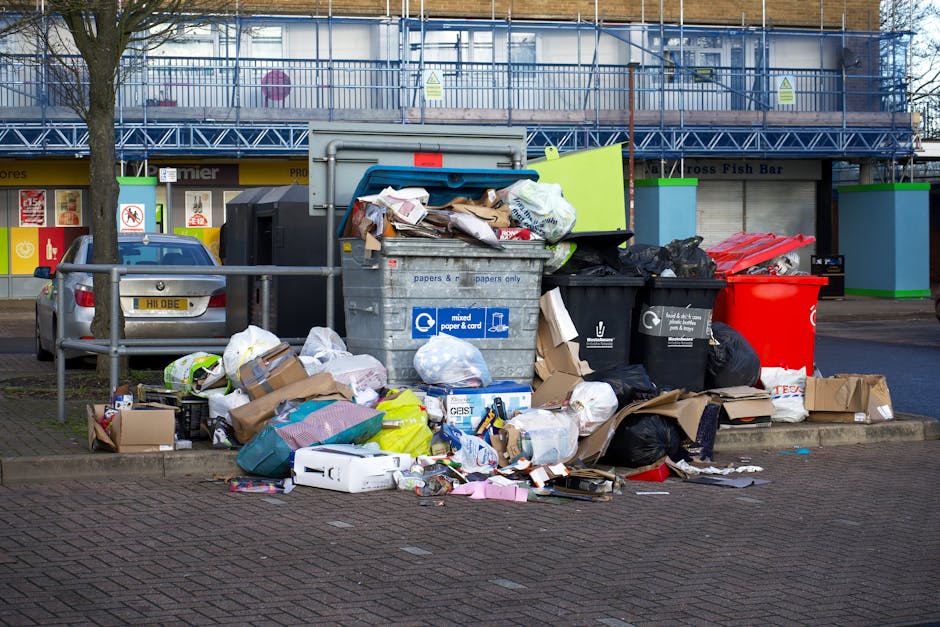
If you are dealing with clear-outs, garden cuttings, bulky items, or everyday household waste around Forty Hall, the process can feel a bit more fiddly than it should. Narrow access, mixed materials, and the simple question of "what goes where?" can turn a quick tidy-up into a messy afternoon. This guide to Forty Hall rubbish recycling and disposal in Enfield explains how to handle waste sensibly, avoid common mistakes, and choose the right disposal route for the job. Whether you are clearing a home, managing a rental, or just trying to get rid of clutter without making a nuisance of yourself, the aim here is straightforward: less hassle, better recycling, and safer disposal.
There is also a bigger picture. Around historic and green spaces like Forty Hall, waste handling matters not only for convenience but for presentation, safety, and environmental care. A stray sofa, a pile of builder's rubble, or a few bags left in the wrong place can quickly spoil the feel of an area. So let's make it practical and keep it human.
Why Forty Hall rubbish recycling and disposal in Enfield Matters
Forty Hall sits in a part of Enfield that people tend to value for its green space, calmer pace, and local character. That changes the way rubbish disposal feels. You are not just trying to remove waste; you are trying to do it in a way that fits the area, respects neighbours, and supports the wider recycling effort. That matters whether you are managing a family home, a garden project, or a small commercial clean-up nearby.
Waste that is sorted properly can often be reused, recycled, or processed more efficiently. Mixed waste, by contrast, is usually more expensive and less sustainable. In plain English: the better you separate things at the start, the cleaner the whole job tends to be. You will notice the difference in both cost and convenience.
It also matters for safety. Broken furniture, old appliances, glass, sharp metal, and loose construction debris can cause injuries if they are handled badly or left lying around. Around busy local roads or shared access spaces, that risk goes up quickly. One awkward mattress in the wrong place can turn into a proper nuisance. Nobody wants that.
Expert summary: The smartest approach to rubbish recycling and disposal near Forty Hall is usually not "get rid of everything as fast as possible." It is "sort carefully, choose the right route, and keep the site tidy throughout." That combination saves time, reduces waste, and keeps the whole process calmer.
For local homeowners and landlords, there is another benefit too: a tidy property is easier to live in, maintain, sell, or let. If you are preparing a move, you may also find our guide on selling property in Enfield useful because waste clearance often becomes part of the staging and handover process.
How Forty Hall rubbish recycling and disposal in Enfield Works
In most cases, the process begins with identifying what type of waste you actually have. That sounds obvious, but it is where many people go wrong. A few bags of household clutter, a broken wardrobe, and a pile of soil are not the same thing operationally. They need different handling, different transport considerations, and sometimes different recycling routes.
At a practical level, waste around Forty Hall usually falls into a few broad groups:
- General domestic rubbish: everyday bagged waste, packaging, and mixed household clutter.
- Bulky items: furniture, mattresses, white goods, and large awkward objects.
- Garden waste: branches, grass cuttings, leaves, hedge trimmings, and soil.
- Builders' waste: tiles, timber, plasterboard, rubble, and offcuts from renovation work.
- Office or commercial waste: paper, furniture, shelving, archive material, and equipment.
Once the waste type is clear, the next question is whether it can be reused, recycled, or needs disposal as residual waste. Cardboard, metal, certain plastics, green waste, and many appliance components can often be separated for recycling. Broken mixed-material items are trickier, and sometimes they have to be broken down before they can be processed sensibly. That part is a bit more manual than people expect. Not glamorous, but effective.
Collection itself can happen in different ways depending on volume and urgency. A small domestic load may only need a straightforward collection. Larger clearances often need a planned visit, especially where access is tight or parking is limited. For many local households, a flexible service is easier than multiple trips to a tip. If you are comparing routes, the broader services overview is a good place to understand the kinds of clearance support that are commonly available.
If the job involves mixed materials, a sensible provider will typically separate recyclable content where possible and transport it to the appropriate facility. You should expect clarity on what will be recycled, what will be reused, and what will be disposed of. Vague answers are not a great sign, to be fair.
Key Benefits and Practical Advantages
The obvious benefit is getting rid of the mess. But the better benefit is how much smoother everything becomes once waste is dealt with properly. Around Forty Hall and the wider Enfield area, that can make a real difference to how a property feels and functions.
1. A cleaner, safer space
Loose rubbish attracts pests, blocks access, and creates trip hazards. When you clear it promptly, you reduce the chance of accidents and keep pathways open. That is especially important in gardens, driveways, shared entrances, and side access areas where one bag too many can cause a bottleneck.
2. Better recycling outcomes
Sorting waste with recycling in mind means more materials can be recovered. It is a simple idea, but it works. A pile of timber, metal, cardboard, and green waste handled separately is far easier to process than one mixed heap. The end result is usually better for the environment and, in many cases, easier on your budget too.
3. Less stress during clear-outs
People often underestimate the emotional drag of clutter. A loft full of old boxes, a shed packed with broken furniture, or a garage that has become a dumping ground can weigh on you every time you walk past. Clearing it properly gives you back both space and headroom. That sounds a bit grand, but it's true.
4. Better presentation for homes and businesses
If you are selling, letting, renovating, or simply trying to keep a good standard, tidy waste management helps the whole place look more cared for. A property that is visibly maintained tends to feel more trustworthy. That matters whether a viewer is stepping into a home or a customer is arriving at a workplace.
If you are looking at local advice on the character of the borough more broadly, you may also enjoy getting to know the Enfield borough, which gives useful context for how different parts of the area feel day to day.
Who This Is For and When It Makes Sense
This kind of rubbish recycling and disposal is useful for a wider range of people than you might first think. It is not just for major house clearances or builders. Often, the need starts with something very ordinary: an overflowing shed, a broken freezer, or a post-renovation pile that looked manageable until Saturday morning arrived.
You may need help if you are:
- clearing a house after a move or tenancy change
- tidying a loft, garage, or garden before winter
- removing old furniture or white goods
- dealing with builder's waste after home improvements
- emptying an office or small commercial unit
- preparing a property for sale or rent
- simply trying to reclaim space in a cluttered home
It is also relevant if you live in a flat, maisonette, or property with awkward access. In those situations, even a few bulky items can become an annoying puzzle. Staircases, narrow hallways, shared driveways, and parked cars all add friction. Sometimes the issue is not volume. It is logistics.
For those dealing with everyday household rubbish in local homes, the practical advice in the Enfield Town rubbish collection guide is worth a look. If you are closer to a larger clean-out or mixed clearance, waste clearance in Enfield may be the more relevant route. And if you are in a smaller flat or dealing with awkward bulky waste, the local notes in the Ponders End bulky rubbish removal guide are especially practical.
Step-by-Step Guidance
If you want this to go smoothly, a simple plan helps more than anything else. Here is a practical way to approach Forty Hall rubbish recycling and disposal without making it harder than it needs to be.
- Walk the space first. Look at what you actually need to remove. Make two piles if that helps: recyclable and non-recyclable. A quick walkthrough often reveals more than you expected.
- Separate special items. Put aside appliances, electronics, paint, sharp materials, and anything that may need extra handling. Do not mix these in with ordinary bags if you can avoid it.
- Break down bulky items where safe. Flat-pack furniture, remove detachable parts, and stack similar materials together. A dismantled wardrobe is easier to move than a stubborn whole one.
- Check access and parking. This sounds dull, but it matters. Think about where a collection vehicle can stop, where items will be carried from, and whether there are stairs, gates, or tight turns.
- Choose the right disposal method. Small amounts may suit a simple domestic collection. Larger or mixed loads may need a more comprehensive clearance.
- Confirm recycling priorities. Ask how recyclable materials will be separated. It is reasonable to want clarity here, and a good provider should be able to explain it without fuss.
- Keep the route clear on the day. Move cars, open gates if needed, and keep children or pets away from the work area. A little preparation saves a lot of back-and-forth.
- Do a final sweep. Check for forgotten screws, broken glass, and loose fragments. Small bits are the ones that tend to get missed, annoyingly enough.
A useful rule of thumb: if you are hesitating over whether something is recyclable, treat it as a separate item until you know. Mixed waste is the easiest way to lose recycling value. That one small habit can make a big difference.
Expert Tips for Better Results
Here are the practical habits that save time and reduce stress. Nothing flashy. Just the stuff that works.
- Sort before the collection day. Pre-sorting is much faster than standing in the garden wondering what to do with five different types of waste.
- Keep hazardous items apart. Chemicals, asbestos-related material, clinical waste, and similar items need special handling. Do not guess.
- Use bags and boxes consistently. One category per container is easier to load and easier to recycle.
- Stack flat items neatly. Cardboard, wood, and similar materials are easier to move when they are compact.
- Photograph the load if it is large. It helps with planning, pricing, and avoiding misunderstandings.
- Ask about reuse first. Some furniture and household items may still have life in them. If they can be reused, that is often the best outcome.
When you are dealing with a more sensitive or high-value move, such as a property sale or a landlord handover, waste work often sits alongside other practical decisions. In that situation, it can help to read the guide to smart real estate purchases in Enfield as a reminder of how presentation and due diligence go hand in hand. Slightly different topic, yes, but the mindset overlaps more than you might think.
And here is a small human tip: do not wait until the last minute if you can help it. Rubbish has a funny way of breeding urgency. One moment it is "I'll sort that later," and the next it is an awkward pile by the gate at 7:30 in the morning.

Common Mistakes to Avoid
Most disposal problems are preventable. The tricky part is that the mistakes feel harmless at first.
Mixing recyclable and non-recyclable waste
This is the big one. If recyclable material is contaminated by food, liquid, or general rubbish, it may no longer be suitable for recovery. Keep dry recyclables separate where possible.
Leaving bulky items until the end
Large furniture and appliances are often the hardest items to remove. If you leave them until everything else is done, you may discover they block access or take longer than expected to load. Get them out of the way early.
Ignoring access issues
A collection plan that works perfectly on paper can fall apart if the van cannot park nearby or if there is nowhere to carry items from. Always check the practical route.
Forgetting about restricted items
Some waste needs special disposal. Paint tins, electrical items, fridges, and anything potentially hazardous should be separated and handled correctly. Guessing is not a strategy.
Choosing the cheapest option without checking what is included
Low price can be fine, but only if the service is clear. Ask what is included, how waste is sorted, and whether there are extra charges for loading, stairs, or special items. The cheapest quote is not always the best value. Hard lesson, that one.
Tools, Resources and Recommendations
You do not need a shed full of specialist kit for most local rubbish jobs, but a few simple tools make life easier. A solid pair of gloves, heavy-duty bags, a marker pen, a box cutter for flat-pack breakdown, and a trolley or sack truck for heavy items can go a long way.
For planning, it helps to group waste by type before anyone starts lifting. That can be as simple as using chalk, labels, or separate corners of a driveway. If the clear-out is larger, make a basic loading sequence: light items first, bulky items next, heavy items last. It keeps the job calmer.
Useful service pages for related jobs include rubbish collection in Enfield, domestic waste collection, builders waste disposal, garden waste removal, and white goods and appliance disposal. If furniture is the main issue, furniture removal and furniture disposal can help you decide the best route.
For larger property clear-outs, you may also want to compare house clearance, loft clearance, and office clearance. They are not the same thing, and that distinction matters more than people think.
Law, Compliance, Standards, or Best Practice
Waste handling in the UK is subject to clear legal and practical expectations, even if the day-to-day job looks simple from the outside. For you as a customer, the main point is to use a legitimate carrier, avoid fly-tipping, and make sure waste is taken to an appropriate facility. If something feels vague, ask questions.
Best practice generally means:
- using a properly licensed waste carrier
- keeping waste transfer documentation where appropriate
- separating recyclable material from residual waste when possible
- handling electricals, appliances, and hazardous items with extra care
- avoiding any disposal route that looks suspiciously informal
Fly-tipping is not just an environmental issue; it can create genuine inconvenience and potential liability for the person who arranged the waste removal if they used the wrong operator. That is why it is sensible to check credentials and ask how the waste will be handled. If you want a clear explanation of responsible handling, the page on waste carrier licence and compliance is a useful supporting reference.
Safety also matters. Large items, broken glass, heavy bags, and awkward lifting all carry risk. Good practice is to use sensible lifting methods, wear proper gloves, keep walkways clear, and never handle dangerous materials casually. If you want reassurance on that side, the site's insurance and safety information is relevant reading.

Options, Methods, or Comparison Table
There is no single "best" method for every Forty Hall rubbish job. The right choice depends on volume, item type, time pressure, and how much sorting you are willing to do yourself. This table gives a simple comparison.
| Method | Best for | Pros | Considerations |
|---|---|---|---|
| Self-sorting and recycling | Small amounts of clean, separable waste | Low cost, good recycling control | Takes time, needs transport and effort |
| Domestic rubbish collection | Routine household waste and smaller clear-outs | Convenient, usually straightforward | May not suit bulky or mixed loads |
| Bulky item removal | Furniture, appliances, awkward one-off items | Saves lifting and transport hassle | Access and item type need checking |
| Full waste clearance | Mixed loads, property clear-outs, larger volumes | Efficient for bigger jobs, less stress | Usually more planning required |
| Specialist clearance | Builders' waste, office waste, unusual materials | Better handling for specific waste streams | May need extra detail up front |
If you are comparing value rather than just price, it is worth looking at pricing and quotes early on. A clear quote helps you judge whether a job is a quick collection or something that needs more careful labour and sorting. That small bit of transparency usually saves the most headaches.
Case Study or Real-World Example
A local homeowner near Forty Hall was preparing a spare room for renovation. At first glance, it looked like "just a few bags and an old wardrobe." Once they started sorting, the pile turned into three distinct groups: broken flat-pack furniture, mixed household clutter, and a stack of cardboard, paint tins, and old fittings from a previous DIY project.
The first mistake they almost made was bundling everything together. That would have meant more mixed waste and less recycling potential. Instead, they separated the cardboard and clean wood, set aside the paint tins for careful handling, and dismantled the wardrobe so it could be removed more easily. The result was a tidier space, a cleaner load, and a much less stressful collection day.
Nothing dramatic happened. Which, honestly, is the point. Good waste handling is meant to be uneventful. No drama, no last-minute panic, no mystery pile still sitting there two days later.
They also used the project as a chance to clear a bit of garden waste that had built up after pruning. By separating green waste from general rubbish, the whole job became more efficient. That sort of practical thinking is exactly why local clearance works best when it is planned rather than improvised.
Practical Checklist
Use this checklist before any Forty Hall rubbish recycling and disposal job.
- Identify all waste types before collection day
- Separate recyclables, bulky items, and hazardous materials
- Check whether appliances or electronics need special handling
- Break down furniture safely where possible
- Make sure access paths and parking are clear
- Label or stack items by category
- Confirm what will be recycled, reused, or disposed of
- Ask for a clear price breakdown if the job is larger
- Keep pets, children, and bystanders away from the work area
- Do a final sweep for sharp fragments, screws, and loose litter
And if you are not sure whether your job is closer to a simple pickup or a fuller clearance, look at the available local support, compare it carefully, and go with the route that gives you the least friction. Simple is good. Simple is underrated.
Get a free quote today and see how much you can save.
Conclusion
Forty Hall rubbish recycling and disposal in Enfield is really about doing a straightforward job well. The best outcome is a clean space, sensible sorting, safer handling, and the confidence that waste has been dealt with properly. Once you know what you have, where it needs to go, and how to separate the useful from the disposable, everything becomes easier.
That is the real value here. Not just getting rid of clutter, but doing it in a way that feels calm, tidy, and responsible. Around an area like Forty Hall, that matters. A lot, actually.
If you are preparing for a move, a renovation, a garden overhaul, or just a much-needed reset, the main thing is to start early, sort carefully, and avoid the lazy shortcuts. Your future self will thank you for it. Probably with a cup of tea and a clear floor.

 Tipper Van - Waste Disposal and Waste Collection Prices in Enfield, EN1
 Luton Van - Waste Disposal and Waste Collection Prices in Enfield, EN1