Ponders End bulky rubbish removal guide Enfield EN3 flats
Posted on 01/07/2026
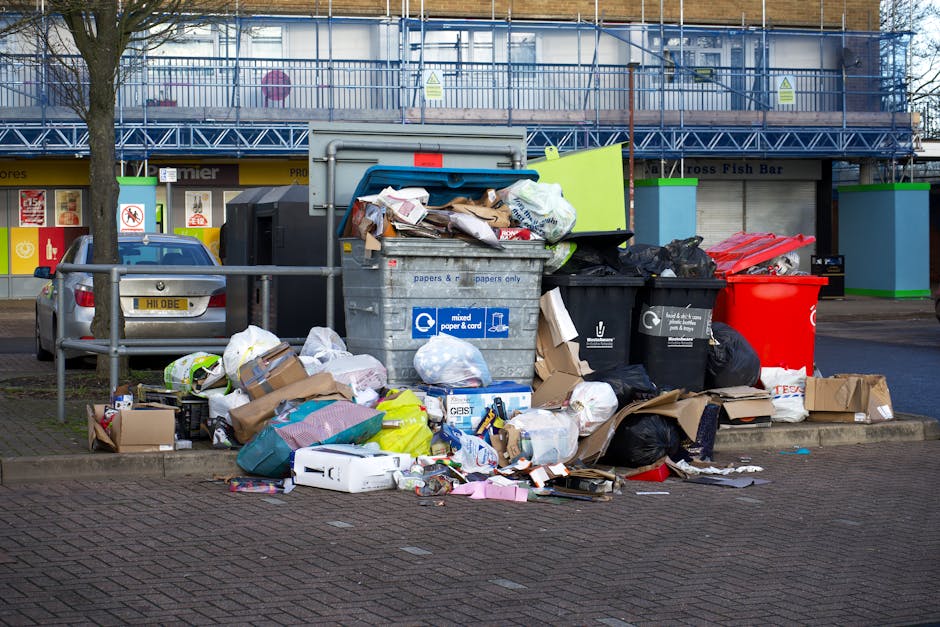
Ponders End Bulky Rubbish Removal Guide for Enfield EN3 Flats
If you live in a flat in Ponders End, bulky waste has a habit of turning up at the worst possible time. A wardrobe gets wedged in the hallway. A broken sofa sits by the door. The old mattress you meant to deal with "next week" is suddenly becoming part of the decor. This Ponders End bulky rubbish removal guide Enfield EN3 flats is here to make the job simpler, safer, and far less stressful.
The real challenge in flats is rarely the rubbish itself. It is access, timing, neighbours, lifts, stairwells, and the awkward question of how to move something large without damaging walls or causing a scene. In this guide, you will find a clear, practical way to handle bulky items in a way that suits flat living in EN3, whether you are clearing one item or half a room.
We will walk through the removal process, the benefits of planning ahead, the mistakes people make all the time, and the best options for Ponders End residents who want the space back without the usual faff. Easy enough in theory. In practice? A little more thought goes a long way.
Why Ponders End bulky rubbish removal guide Enfield EN3 flats Matters
Bulky waste in flats is not just "big rubbish". It affects shared space, safety, and everyday life in a way small bin waste never does. A single sofa in the hallway can make a building feel cramped. A fridge left too long on a landing can become a hazard. And when an item is impossible to carry down narrow stairs safely, the problem gets bigger fast.
That is especially true in Ponders End, where flat layouts vary quite a bit. Some buildings have lifts that are a bit tight. Some have shared entrances. Some have parking that makes loading awkward. If you are in a top-floor flat, you already know the routine: a quick tidy-up can become a full logistical exercise. You can almost hear the scrape of furniture legs before you even start.
There is also the neighbour factor. Let's face it, nobody enjoys a staircase blocked by an old mattress at 7:30 in the morning. Planning bulky waste removal properly helps keep things civil, avoids complaints, and reduces the chance of damage to communal areas.
For many residents, it is not simply about getting rid of something. It is about reclaiming a room, making a move easier, preparing for decorating, or clearing out after a life change. That is why this guide focuses on practical choices, not just disposal theory.
If you are reading more widely about life in the borough, it can help to look at broader local context too, including what makes the Enfield borough feel different from central London and how people think about living here in general. That local lens matters more than you might think when deciding how and when to clear bulky items.
How Ponders End bulky rubbish removal guide Enfield EN3 flats Works
Most bulky rubbish removal in flats follows a straightforward pattern, but the details matter. First, you identify what needs to go. Then you decide whether the item can be reused, recycled, or needs disposal. After that, you consider access: stairs, lifts, door widths, parking, and whether the item needs dismantling before it can be moved.
In a flat, you also need to think about timing. If there is a lift, can it fit the item? If not, will it fit down the stairs without scraping the walls? If parking is limited, where will the collection vehicle stop? These questions sound basic, but they are exactly what saves time on the day.
There are a few common ways bulky waste is handled:
- DIY removal: You move the item yourself and take it to an approved facility or arrangement.
- Man-and-van style clearance: A team collects items from inside the property or kerbside and removes them for you.
- Mixed waste clearance: Useful if you have furniture, white goods, bags of rubbish, or loft clutter all at once.
For flats, the second and third options are often the easiest because they reduce the chance of injury and avoid dragging heavy items through shared spaces. If you are dealing with furniture specifically, a dedicated furniture removal service in Enfield can be a sensible match, especially when wardrobes, sofas, or bed frames are involved.
White goods are a different story. Items such as washing machines, ovens, and fridges need careful handling, and they should be disconnected properly before removal. That is where a specialist option like appliance disposal for white goods becomes useful, particularly if the item is heavy or awkwardly positioned in a tight kitchen.
Key Benefits and Practical Advantages
The obvious benefit is space. A removed bulky item instantly changes how a room feels. A living room can stop feeling like a storage unit. A hallway opens up. A spare bedroom starts to be usable again. Small win, but honestly, it matters.
Another major benefit is safety. In flats, heavy furniture can tip, catch fingers, or damage flooring and walls. Moving an item without proper help is one of those jobs that looks manageable until you are halfway down the stairwell and someone says, "actually, it won't fit that way."
There is also the environmental side. Responsible bulky waste handling can separate reusable items from general waste and divert appropriate materials into recycling streams. If you care about that, a service with an emphasis on recycling and sustainability is worth considering because it supports better disposal choices instead of simply throwing everything into a load and hoping for the best.
Practical advantages include:
- Less disruption: Faster removal means less time blocking hallways or entrances.
- Reduced lifting risk: Fewer chances of back strain or dropped items.
- Cleaner shared areas: Useful in buildings with neighbours, visitors, or management concerns.
- Faster turnover: Handy before decorating, moving, letting, or selling.
Expert summary: For flat residents in EN3, the best bulky rubbish removal option is usually the one that balances access, safety, and speed. The cheapest option is not always the easiest, and the easiest is not always the cleanest. You want the one that fits your building, your item, and your deadline.
Who This Is For and When It Makes Sense
This guide is for anyone in a Ponders End flat who has an item that is too large for the usual bin system and too awkward to leave lying around. That includes tenants, leaseholders, landlords, housing association residents, and even managing agents dealing with a void flat or end-of-tenancy clear-out.
It makes sense when you are dealing with:
- broken or unwanted sofas
- mattresses and bed frames
- wardrobes, tables, and shelving
- old appliances
- bulk bags of general waste after a clear-out
- loft or storage-room overflow
- items from moving home, decorating, or downsizing
It is also useful for people who simply do not want to wait around for a solution that never feels quite convenient. Some residents try to stretch bulky items out in stages. One leg out today, the rest tomorrow. Then the hallway becomes a sort of museum exhibit. Not ideal.
If you are preparing to move or sell, the timing matters even more. A clutter-free flat photographs better, shows better, and feels more spacious. For anyone in that position, it may help to read about selling property in Enfield and smart property choices in the area, because clearance decisions often connect with wider property goals.
Step-by-Step Guidance
A little preparation makes the whole process much smoother. Here is the practical version, without the fluff.
- List every bulky item. Write down what is going, including anything that may need dismantling first.
- Measure the awkward bits. Check height, width, and depth if it needs to move through a door, lift, or staircase.
- Check building access. Make a note of parking restrictions, entry codes, lift size, and any loading limitations.
- Sort items by type. Furniture, appliances, wood, metal, and mixed rubbish may need different handling.
- Remove personal items. It sounds obvious, but drawers and cupboards are often full of things you meant to keep.
- Take apart what you can safely dismantle. Flat-pack furniture often becomes much easier to move once it is broken down.
- Book the removal at a sensible time. Avoid busy building periods if possible, especially early mornings or shared access windows.
- Prepare the route. Clear shoes, bins, plant pots, and anything else that could become a trip hazard.
- Confirm what happens to the waste. Ask how the items will be sorted, loaded, and handled after collection.
If you are dealing with mixed household waste rather than one item, a broader waste clearance option in Enfield may be more practical than trying to force everything into a furniture-only collection.
For residents with general household overflow, a domestic waste collection service can also be the right fit. It is all about matching the job to the mess, which sounds obvious until you are standing next to a dismantled bed frame at ten past eight.
Expert Tips for Better Results
A few small habits make a big difference. First, deal with bulky items earlier than you think you need to. Waiting until the last day creates stress, and stress is rarely a good lifting technique.
Second, be realistic about what you can move safely. If you need to twist, lift, carry, and manoeuvre at the same time, the item is probably too awkward for one person. Or two. Sometimes three. You know the type.
Third, think about the item's state. A clean, dry mattress or sofa is easier to handle than something damp, broken, or full of loose contents. If the item is already failing apart, wrap it or tie it before moving it through common areas.
Fourth, separate salvageable items from genuine waste. A piece of furniture might be ready for disposal, but another item may still have life left in it. Even if you are not donating it, separating materials can help the collection process feel more organised.
Fifth, ask about specialist handling if you have unusually heavy or delicate items. A fridge freezer, for example, is not just "big." It is heavy in an awkward, stubborn way. Different beast entirely.
And one more thing: if your building has neighbours who work odd shifts, a quick heads-up helps. A short note on the noticeboard or a message to the building manager can prevent unnecessary friction. It is a small courtesy, but it goes a long way.

Common Mistakes to Avoid
The most common mistake is underestimating access. People often assume a bulky item will fit down a stairwell because it looked fine in the room. Then the item hits the corner, and everything stops. Check first, move second.
Another mistake is leaving items in communal areas for too long. In a flat, that can create complaints, block exits, and create a real nuisance if other residents need access. It is not worth the risk.
Many people also forget that some items need separate handling. Mattresses, white goods, and certain types of waste may not be best bundled together without a plan. Likewise, builders' debris is not the same as household furniture. If you have renovation leftovers, a builders waste disposal service is usually more appropriate than a generic load.
A few more to watch out for:
- booking too late and missing your moving deadline
- leaving drawers full of personal items
- forgetting building restrictions or parking rules
- mixing reusable items with wet or damaged waste
- assuming every bulky item is handled the same way
Truth be told, most problems come from rushing. Slow down just enough to check the route and the item type, and you will avoid the messiest outcomes.
Tools, Resources and Recommendations
You do not need a van full of equipment for every job, but a few basic tools help. A tape measure is worth its weight in gold for flats. So is a screwdriver set, a dolly or sack truck, heavy-duty gloves, and a couple of strong straps if you are dismantling furniture.
For small apartment clear-outs, sturdy bags and labels can help keep the job tidy. If you are sorting items into keep, donate, recycle, and remove, label them clearly. It sounds almost too simple, but it stops the "where does this go?" confusion that slows everything down.
If you want to plan ahead more broadly, these pages can help you understand the wider service landscape:
- services overview for comparing clearance options
- rubbish collection in Enfield for everyday waste support
- waste disposal in Enfield for more general disposal needs
- insurance and safety if you want reassurance around handling and site protection
For a local read on how people experience the area, this can also be useful: local opinions on living in Enfield. It is not about rubbish specifically, but it gives useful context for the everyday realities of living in the borough.
If you are comparing providers, pricing transparency matters. Ask what is included, whether labour and loading are covered, and how access affects the quote. A clean, straightforward pricing page is often a sign the process will be equally straightforward. Not always, but often enough.
Law, Compliance, Standards and Best Practice
When bulky waste leaves your flat, you still want it handled properly. In the UK, waste must be transferred to an authorised carrier and managed responsibly. That does not mean you need to become an expert in waste law overnight, but it does mean you should use a provider that can demonstrate proper compliance.
As a homeowner, tenant, or landlord, you should be cautious about who removes your waste. If a load is fly-tipped or mishandled, the trail can matter. Responsible operators should be able to explain their processes plainly and show that they follow waste carrier compliance expectations. If you want a fuller explanation of this side of the work, see waste carrier licence and compliance.
Good practice also includes:
- not blocking fire exits or common escape routes
- protecting walls, floors, and shared entrances during removal
- sorting items to reduce contamination where possible
- handling electrical items safely and separately where relevant
- being honest about the amount and type of waste before collection
If your flat is part of a managed building, check any building rules on access, noise, and disposal points. The aim is not to overcomplicate things. It is simply to avoid that awkward moment when a lift is booked, the sofa is halfway out, and someone says it is against building policy. Nobody wants that scramble.
Options, Methods, or Comparison Table
Choosing the right method depends on space, time, and the type of item. Here is a simple comparison to make the decision easier.
| Method | Best for | Pros | Watch out for |
|---|---|---|---|
| DIY disposal | Very small loads, easy access, confident movers | Can be flexible and low-cost | Heavy lifting, transport hassle, time-consuming |
| Kerbside collection | Items already moved outside safely | Simple if access is easy | Not ideal for flats with stairs or limited space |
| Full-service bulky removal | Large items, shared entrances, upper-floor flats | Less lifting, faster, more practical | Needs clear access details and a booked slot |
| Mixed waste clearance | Furniture plus general clutter | Efficient for bigger clear-outs | Requires accurate description of what is included |
For many Ponders End flats, the full-service option is the most balanced choice. It reduces the physical strain and avoids turning your staircase into an obstacle course. That said, if you only have one item and it is easy to move, a simpler method may be enough.
Case Study or Real-World Example
A typical example might be a two-bedroom flat near a busy road in EN3. The resident has a broken sofa, a mattress, and a wardrobe from a spare room that has become storage. The lift is small, the stairwell is tight, and parking is limited to a short loading window.
Instead of trying to move everything in a rush, the resident measures the sofa width, checks which items can be dismantled, and clears the route from the front door to the lift. The wardrobe is taken apart into manageable sections. Loose items are bagged. A collection slot is booked for a quieter part of the day.
On the day, the load is removed in a single visit, and the flat feels bigger immediately. No damaged walls, no awkward blocking of the landing, no angry neighbour messages. Just that very satisfying moment when a room finally breathes again.
That kind of result is common when the plan is realistic. Not glamorous, maybe. But it works.
Practical Checklist
Use this before your collection day:
- Make a complete list of bulky items.
- Measure anything that needs to pass through tight spaces.
- Check stairs, lifts, and parking access.
- Remove personal belongings from drawers and cupboards.
- Dismantle furniture where safe and practical.
- Separate appliances, furniture, and mixed rubbish.
- Confirm building rules for access and loading.
- Protect floors or corners if needed.
- Keep communal areas clear until collection time.
- Ask how the waste will be handled after removal.
If you can tick most of those off, the day usually goes much more smoothly. And if you cannot, that is the moment to pause and sort the details, not improvise at the door with a screwdriver in one hand and a mattress in the other.
Conclusion
Bulky rubbish removal in Ponders End flats is one of those jobs that becomes much easier once you stop treating it like a casual tidy-up. The building layout, the shared access, and the size of the item all shape the outcome. When you plan properly, you save time, reduce risk, and make the whole place feel better almost immediately.
Whether you are clearing a sofa, a mattress, a fridge, or a full flat's worth of unwanted items, the best approach is the one that fits your space and your schedule. Keep the route clear, be honest about the load, and choose a method that respects both safety and the building around you. That is the real difference between a stressful day and a manageable one.
Get a free quote today and see how much you can save.


 Tipper Van - Waste Disposal and Waste Collection Prices in Enfield, EN1
 Luton Van - Waste Disposal and Waste Collection Prices in Enfield, EN1